
Ars Technica
Late final week, a California-based AI artist who goes by the title Lapine discovered personal medical file images taken by her physician in 2013 referenced within the LAION-5B picture set, which is a scrape of publicly obtainable pictures on the internet. AI researchers obtain a subset of that information to coach AI picture synthesis fashions comparable to Secure Diffusion and Google Imagen.
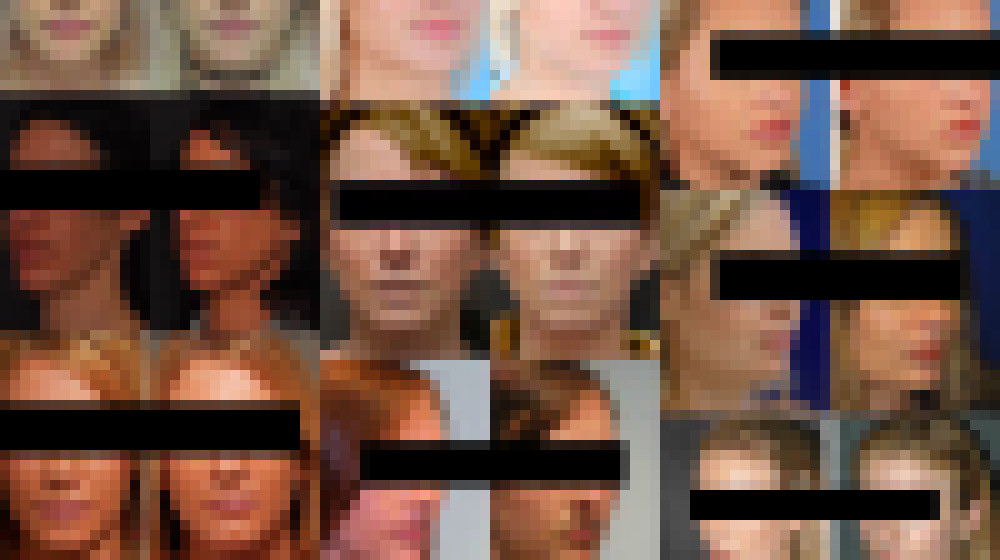
Lapine found her medical images on a website referred to as Have I Been Trained, which lets artists see if their work is within the LAION-5B information set. As an alternative of doing a textual content search on the positioning, Lapine uploaded a latest picture of herself utilizing the positioning’s reverse picture search characteristic. She was shocked to find a set of two before-and-after medical images of her face, which had solely been licensed for personal use by her physician, as mirrored in an authorization type Lapine tweeted and likewise offered to Ars.
🚩My face is within the #LAION dataset. In 2013 a physician photographed my face as a part of scientific documentation. He died in 2018 and in some way that picture ended up someplace on-line after which ended up within the dataset- the picture that I signed a consent type for my doctor- not for a dataset. pic.twitter.com/TrvjdZtyjD
— Lapine (@LapineDeLaTerre) September 16, 2022
Lapine has a genetic situation referred to as Dyskeratosis Congenita. “It impacts every little thing from my pores and skin to my bones and tooth,” Lapine instructed Ars Technica in an interview. “In 2013, I underwent a small set of procedures to revive facial contours after having been by so many rounds of mouth and jaw surgical procedures. These photos are from my final set of procedures with this surgeon.”
The surgeon who possessed the medical images died of most cancers in 2018, in keeping with Lapine, and he or she suspects that they in some way left his follow’s custody after that. “It’s the digital equal of receiving stolen property,” says Lapine. “Somebody stole the picture from my deceased physician’s recordsdata and it ended up someplace on-line, after which it was scraped into this dataset.”
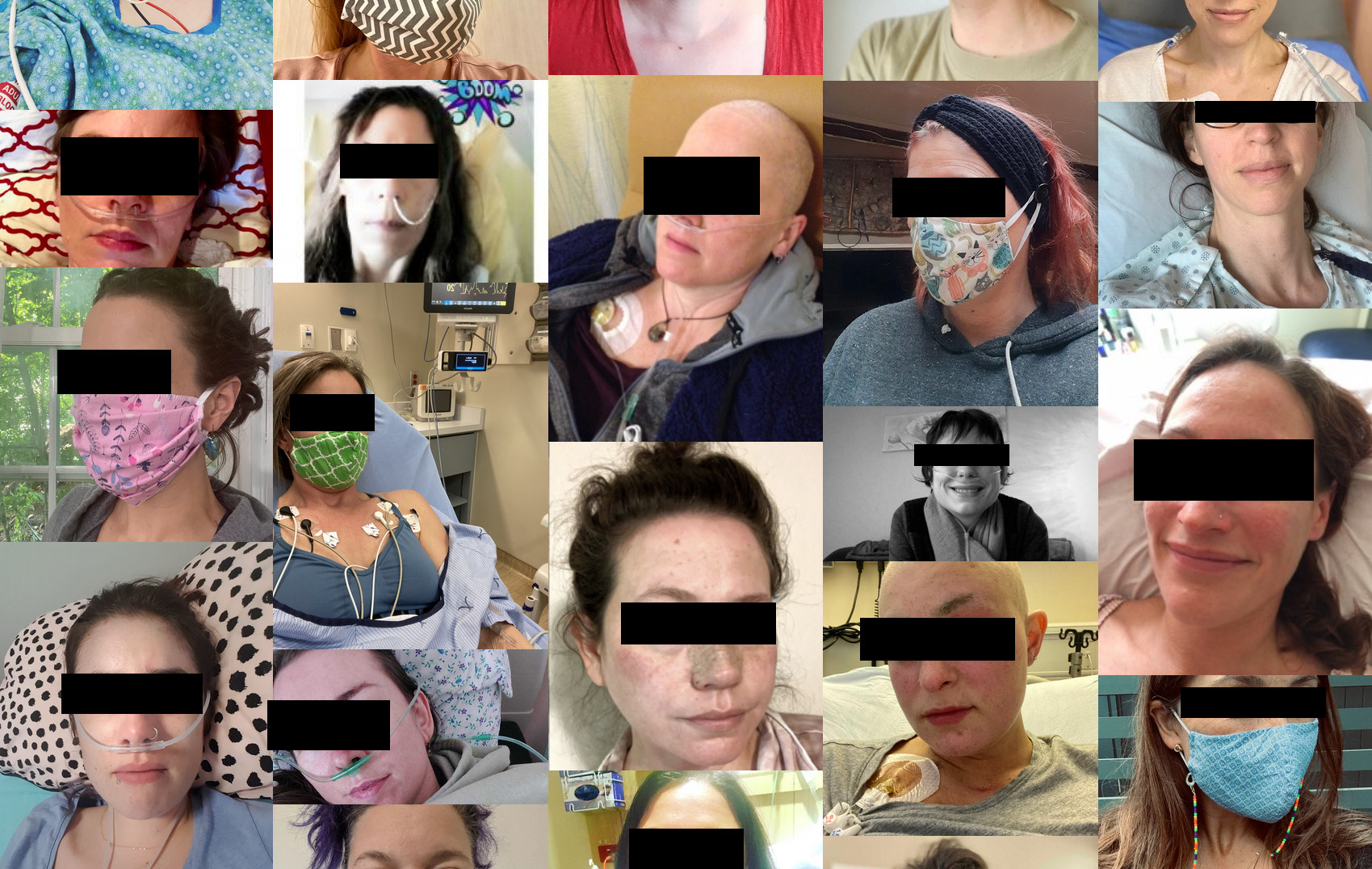
Lapine prefers to hide her id for medical privateness causes. With information and images offered by Lapine, Ars confirmed that there are medical pictures of her referenced within the LAION information set. Throughout our seek for Lapine’s images, we additionally found 1000’s of comparable affected person medical file images within the information set, every of which can have an analogous questionable moral or authorized standing, lots of which have seemingly been built-in into in style picture synthesis fashions that firms like Midjourney and Stability AI supply as a industrial service.
This doesn’t imply that anybody can all of a sudden create an AI model of Lapine’s face (because the expertise stands in the meanwhile)—and her title is just not linked to the images—but it surely bothers her that non-public medical pictures have been baked right into a product with none type of consent or recourse to take away them. “It’s dangerous sufficient to have a photograph leaked, however now it’s a part of a product,” says Lapine. “And this goes for anybody’s images, medical file or not. And the longer term abuse potential is actually excessive.”
Who watches the watchers?
LAION describes itself as a nonprofit group with members worldwide, “aiming to make large-scale machine studying fashions, datasets and associated code obtainable to most people.” Its information can be utilized in varied tasks, from facial recognition to pc imaginative and prescient to picture synthesis.
For instance, after an AI coaching course of, a number of the pictures within the LAION information set turn out to be the idea of Secure Diffusion’s amazing ability to generate pictures from textual content descriptions. Since LAION is a set of URLs pointing to photographs on the internet, LAION doesn’t host the photographs themselves. As an alternative, LAION says that researchers should obtain the photographs from varied places after they wish to use them in a venture.
Ars Technica
Below these circumstances, accountability for a selected picture’s inclusion within the LAION set then turns into a elaborate recreation of move the buck. A good friend of Lapine’s posed an open query on the #safety-and-privacy channel of LAION’s Discord server final Friday asking the way to take away her pictures from the set. LAION engineer Romain Beaumont replied, “One of the simplest ways to take away a picture from the Web is to ask for the internet hosting web site to cease internet hosting it,” wrote Beaumont. “We’re not internet hosting any of those pictures.”
Within the US, scraping publicly obtainable information from the Web appears to be legal, because the outcomes from a 2019 courtroom case affirm. Is it principally the deceased physician’s fault, then? Or the positioning that hosts Lapine’s illicit pictures on the internet?
Ars contacted LAION for touch upon these questions however didn’t obtain a response by press time. LAION’s web site does present a form the place European residents can request data faraway from their database to adjust to the EU’s GDPR legal guidelines, however provided that a photograph of an individual is related to a reputation within the picture’s metadata. Due to providers comparable to PimEyes, nonetheless, it has turn out to be trivial to affiliate somebody’s face with names by different means.
Finally, Lapine understands how the chain of custody over her personal pictures failed however nonetheless wish to see her pictures faraway from the LAION information set. “I wish to have a manner for anybody to ask to have their picture faraway from the info set with out sacrificing private data. Simply because they scraped it from the online doesn’t imply it was presupposed to be public data, and even on the internet in any respect.”